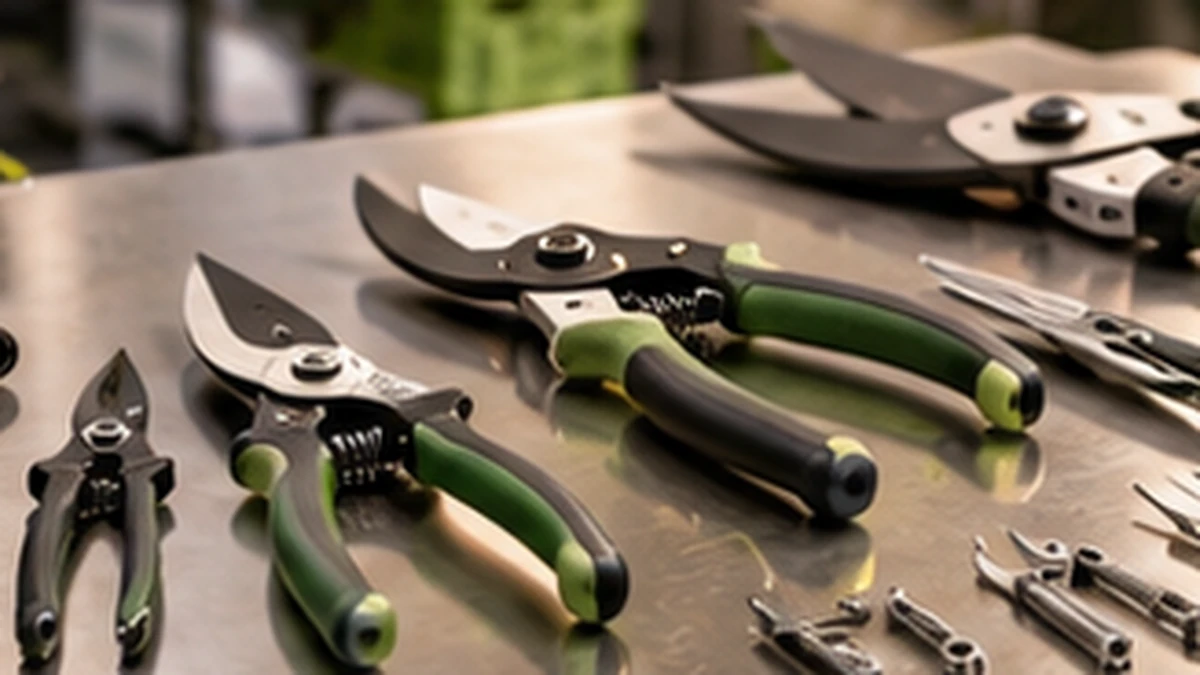
The best gifts for a market gardener or small farmer are the ordinary tools that get used every week and wear out every season: sharp cutting tools, good gloves, a scale that zeroes cleanly, totes that stack and a mat that saves the knees. Most of those live in the packing area, not the field, so this guide sorts picks by who you are buying for and by what the gear does after the harvest.
Generic garden gifts tend to miss. A grower who sells at a market or fills CSA boxes spends the day cutting, bunching, weighing, packing and loading, and the gift that helps is the one that makes one of those jobs less awkward. Everything below is equipment only, and none of it needs a price to make sense.
Start with who you are buying for
Before you search, work out which kind of grower you have. Each type spends their time differently, and that decides which gear is a gift and which is clutter.
| Recipient | Gift direction | Ask or check first |
|---|---|---|
| Farmers market seller | Weighing and packing gear, a standing mat, bags and labels | Do they sell by weight or by the bunch? A scale only helps the first kind. |
| CSA or box-share grower | Stackable totes, liners, a cart or dolly | How many boxes a week, and how far from the field to the cooler? |
| Herb and flower grower | Fine snips, drying racks, hooks and bunching supplies | Do they dry anything, or sell everything fresh? |
| Small orchard or berry grower | Picking bags, reach tools, padded containers | What is the tallest tree, and what do they use now? |
| Someone with a new shed or packing room | Work table, shelving, lighting, a hygrometer | What is the floor space, and is there power at the bench? |
Gift timing matters as much as the item. Growers are busiest from spring through fall and have time to set up new gear in winter, so equipment for the packing area lands best between late fall and early spring. Small consumables are welcome any time of year.
If you cannot ask, look at what they already use. Worn handles, taped-up gloves and a scale propped on a crate are all clues about where a replacement will be welcome.
Small gifts that get used every week
Small gifts are the safest because the fit questions are short. The trick is to buy the better version of something they already own.
- Fine-cutting snips, if they harvest herbs, flowers or soft crops. The harvest snips guide covers blade shape and spring type.
- A hand sharpener for shears, snips and pruners. A sharp tool is the thing most growers forget to replace, and the sharpener guide explains what suits which edge.
- Cut-resistant gloves, if they trim or cut by hand all day. Hand size matters, so check the sizing chart and the care label; the glove guide lists what to look for.
- A waterproof marker and a set of labels that survive a wet crate. Growers use these constantly and rarely buy the good ones for themselves.
- A picking bag or apron with a comfortable strap. Check the strap width and how the bag opens, because a bag that is awkward to fill gets left on the hook.
Search by category and compare dimensions, handedness and return terms on each listing. Used tools can be a sensible buy if the edge and pivot are in good shape.
Handedness is worth a check. Some cutting tools are made for a particular hand, and a pair that fits one grower poorly can sit in a drawer. If you are unsure, a gift receipt and a seller with simple returns beat guessing.
Mid-size gifts for the packing area
This is where gifts start to change a working day. A packing table is where the grower stands for hours, so comfort and accuracy matter more than features.
- An anti-fatigue mat. Standing on hard floors is tiring. The anti-fatigue mat guide covers thickness, edges and cleaning. Measure the bench area first so the mat does not catch a cart wheel.
- A bench scale. Useful for anyone who packs by weight. If they sell by weight, they should check with their local weights and measures office about what kind of scale is allowed for sales; this guide does not make that call. The bench scale guide explains capacity and readability.
- A set of stackable totes. Buy matching ones so they nest and stack. Check the footprint against their existing crates, as in the tote guide.
- Food-safe liners for bins. A practical consumable gift. Read the package for what the liner is rated for, and match the liner size to the bin they use.
Compare dimensions and what is in the box. A scale and a mat are both easy to return if they do not fit the table, so keep the receipt and the packaging until the recipient has used them.
Bigger gifts, or gifts to split
Large items are best given as a group. Siblings, a partner and a friend or two can pool for something that would be a stretch for one person, and the recipient gets one item that does a real job rather than five small ones.
- A rolling rack cart for drying or staging trays, with wheels that suit their floor. Check the shelf spacing against the trays or crates they already use.
- A stainless work table for wash-and-pack work. Measure the doorway and the space before ordering, and look at how the legs and shelf attach.
- An impulse sealer for bagging. Ask what bag sizes they use, because the sealer has to match them. Anything plugged in should be used according to its manual.
For these, ask the recipient a leading question rather than guessing: "If you could fix one thing in your packing area, what would it be?" Most growers have an answer ready.
Large and heavy items are where used listings can save money, and also where condition matters most. Read the seller description, look at photos of the welds and wheels, and confirm the return terms.
What to skip
- Anything that has to match gear you cannot see. Replacement blades, sealer bags and tote lids all depend on a model you may not know.
- One-size-fits-all gloves and boots. Fit is personal. A gift card from a supply store beats a guess here.
- Heated or electrical gear, unless you know the setup. Heaters, dryers and sealers need the right outlet and must be used per the manual. Leave those to the recipient.
- Novelty farm-themed items. A mug is a fine extra, but it is not the gift.
One more thing to skip is the surprise delivery. Anything bulky or breakable is easier to return, swap or adjust if the recipient knows it is coming, so send the order confirmation or a photo of the item and let them tell you if the size is wrong. A gift that arrives at a farm during the busy season can sit unopened for weeks, which is a good reason to time larger gifts for winter, when growers are planning and repairing.
A good fallback is a bundle: a few replaceable items they will run out of, such as liners, labels and a spare marker, wrapped together. It will not be exciting, but it will be used.
Frequently asked questions
What is a good gift for a market gardener who already has everything?
Look at consumables and upgrades. A better sharpener, fresh liners, good labels and markers, or a standing mat are all things growers use up or wear out but rarely buy for themselves.
Is a gift card better than picking gear?
A gift card from a farm or garden supply store is a good choice when fit matters, as with gloves, boots and tool handles. If you know their setup, a specific item can still be the more thoughtful gift.
How do I choose gloves or tools without knowing sizes?
Skip sized items unless you can check. If you must buy, choose a seller with easy returns, include a gift receipt, and read the sizing chart and care label on the listing.
Do these gift ideas work for herb growers?
Yes. Fine snips, sharpeners, drying racks and labels all suit herb growers. Skip anything built for heavy crops, such as large totes, unless they pack in volume.
Should I buy used gear as a gift?
It can work for sturdy items such as tables, carts and hand tools. Read the listing carefully, check the photos for cracks or rust, confirm the seller's return terms and avoid used items that carry a safety function.
Sources and verification
This guide makes no price, rating, capacity or performance claims and does not rely on outside studies. The buying criteria come from the linked HarvestSupplies.co equipment guides. Before buying, confirm size, handedness, included parts and the seller's return terms on the listing, and follow the maker's manual for any powered item. If a recipient sells by weight, they should ask their local weights and measures office what a sales scale must meet.