In 2026, Thanksgiving is Thursday, November 26, so Black Friday falls on Friday, November 27 and Cyber Monday on Monday, November 30. For a packing shed, the useful plan is a written list sorted into three groups: gear you need before the sales, gear that can wait, and gear you should skip no matter what the banner says.
This guide makes no promises about discounts. Nobody can tell you in advance what a given item will cost, and a sale price is only a good deal if the item fits your shed. The checklist below is about timing, fit and listing checks, not bargain hunting.
The dates, and how they are worked out
Thanksgiving in the United States is the fourth Thursday of November. In 2026 the Thursdays fall on the 5th, 12th, 19th and 26th, which puts Thanksgiving on November 26. The federal holiday schedule published by OPM for 2026 lists the same date. Black Friday is the day after Thanksgiving, which makes it November 27, and Cyber Monday is the Monday after, which makes it November 30.
The pages cited at the end of this guide give those rules, so the 2026 dates are derived from them. Retailers choose their own sale windows. Some start early and some run long, so treat the two dates as reference points and check each seller's own page for what it is actually offering.
Before the sales: build the list
Shoppers who have a list before the sales start tend to buy less clutter. Spend an evening in the packing area with a notebook and a tape measure and write down the following.
- What failed this season. A scale that drifted, snips that never held an edge, a cart wheel that jammed. These are the best candidates for replacement.
- What slowed you down. Every place you carried, waited, bent or re-did work is a place equipment might help.
- What you will run out of. Liners, labels, markers, bags and cleaning supplies. Count what is left.
- What you can measure. Table height, doorway width, shelf depth, available outlets. Write the numbers down so you can check them against a listing.
- What the next job needs. If winter packing, seed work or storage is coming, list the gear for that job, not just the last one.
Then rank the list. Put a plain "needed by" date next to each item. That date, not the sale date, decides whether the item can wait.
Buy now, wait, or skip
The timing question is simple: if the gear blocks work you have to do before December, buy it now and do not gamble on a window. If the shed works without it until the new year, it can wait. The table sorts typical gear by that test.
| Gear | Timing | Reason |
|---|---|---|
| Scale or hand tool that is failing and needed this month | Buy now | A broken tool in the middle of a pack day costs more than waiting saves. |
| Bin liners, labels, markers, bags | Buy as you run low; compare in the sale window if you have stock | Consumables are easy to compare and easy to stock up on, if you have space and they do not expire. |
| Stainless tables, shelving, rolling carts | Can wait, with measurements ready | Bulky items are a hassle to return, so know your dimensions before you click. |
| Totes and crates | Can wait; match the footprint to what you own | Mixed sizes stack badly, so buy a matching set rather than a few odd ones. |
| Sealers, dehumidifiers, heaters and other plug-in gear | Compare freely, but read the manual first | Check the outlet, the room and the safe-use instructions before you buy. |
| Sanitizer test strips and cleaning supplies | Buy by label and date, not by sale | Check the label, the expiry and local rules for food-contact surfaces. |
The existing equipment guides on this site go deeper on each row. Start with the bench scale guide if a scale is on your list, the stainless table guide for tables, and the stackable tote guide for containers.
Search by category and compare the listed dimensions and what is included. Used listings can be worth a look for tables, carts and scales, if the seller shows clear photos and accepts returns.
Reading a sale listing
A banner that says "sale" tells you nothing about the item. Before you buy anything from a sale page, check these points on the listing itself.
- Dimensions and capacity. Read the real numbers, not the title. Compare them with your measurements.
- What is in the box. Bundles sometimes pad the count with filler. Check whether the part you need, such as a lid, liner or replacement blade, is included.
- Who is selling. A listing may be sold by the retailer or by a third-party seller. The return and warranty terms can differ, so read them on that page.
- The model or variant. Similar titles can hide different versions. If the model name or number is missing, ask the seller or skip it.
- The "was" price. A crossed-out number is the seller's claim, not a fact about the market. Look at the same item on other days if you can.
- Urgency banners. Countdown clocks and "only a few left" notes are marketing. They are not a reason to skip your measuring step.
Shipping, delivery and return timing
Holiday weeks are busy for sellers and carriers, and delivery estimates can slip. If you need an item for a specific day, read the delivery estimate on the listing before you pay and avoid ordering essential gear at the last moment. This guide does not predict carrier performance; it only suggests building slack into your plan.
Return windows matter more than most buyers think. A window that closes before you first use the item is not much protection. If a table or cart will not be assembled until January, check how long you have to return it and whether the seller counts from the order date or the delivery date. Keep the packaging, and test-fit the item soon after it arrives. Amazon and eBay set their own return rules, and individual sellers on both can add their own, so read the policy shown on the listing you are buying from.
The used market in the same weeks
Used gear does not follow the sale calendar, which makes it a useful comparison. Stainless tables, carts, shelving and some scales hold up well when they have been looked after. Check photos for dents, cracks and rust, look at wheels and hinges, ask what is included and read the return terms. Skip used items whose job is safety, and for anything electrical follow the manual and avoid units with damaged cords.
Open both searches and compare like for like. Filter by condition, check photos, and confirm the dimensions fit your doorway before you decide.
The packing shed checklist
Use this list as a prompt, not a shopping order. Cross out what you already own and keep the rest for the sale weeks.
- Cutting and harvest: snips, shears, knives, sharpener, cut-resistant gloves. See the sharpener guide.
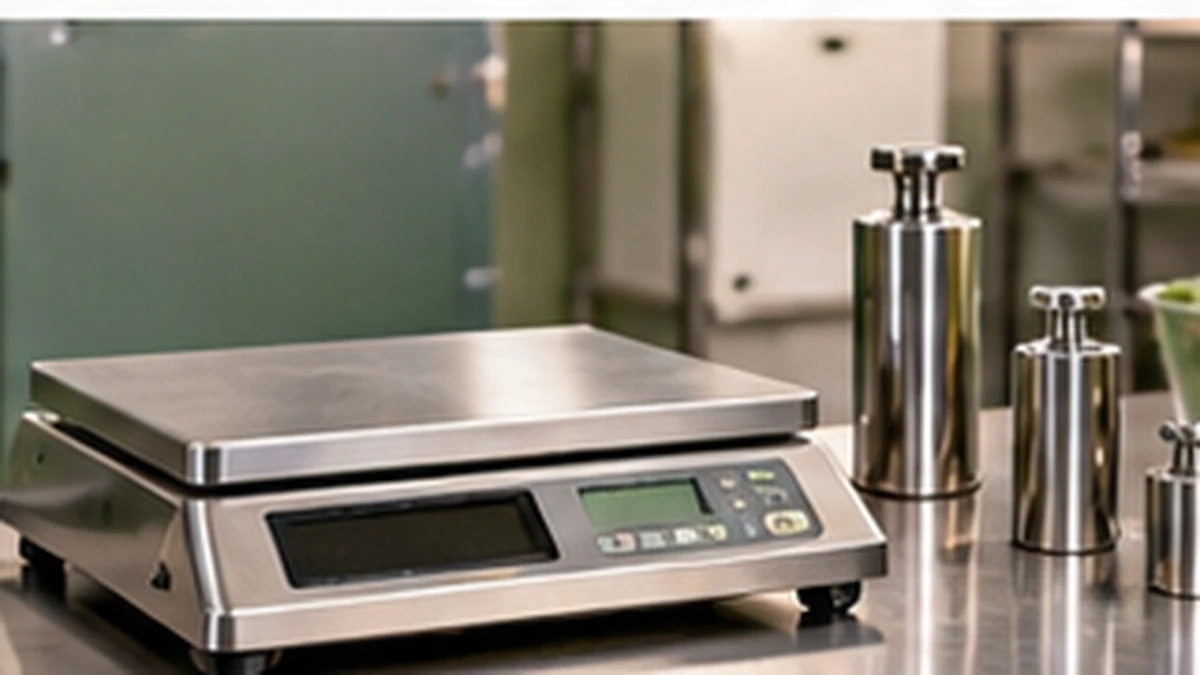
- Weighing: bench scale, hanging scale, test weights if you use them.
- Containers: matching totes, vented crates, liners, lids.
- Packing: bags, sealer, labels, markers, tape.
- Cleaning: brushes, test strips, sanitizer per the label, storage for cleaning tools.
- Environment: hygrometer or logger, a circulation fan, a mat for the standing area.
- Moving: cart, hand truck or dolly sized to the doorway.
If you are also buying for someone else, the gift guide for market gardeners sorts gear by recipient.
Frequently asked questions
When is Black Friday in 2026?
Black Friday is Friday, November 27, 2026, the day after Thanksgiving. Thanksgiving is the fourth Thursday of November, which is November 26 in 2026.
When is Cyber Monday in 2026?
Cyber Monday is Monday, November 30, 2026, the Monday after Thanksgiving weekend.
Should I wait for the sales to buy cutting tools?
Only if you can work without them until December. If a tool is failing now, replace it now. A sharp, well-fitted tool matters more than a sale banner.
Will packing shed gear be cheaper on those days?
There is no guarantee. This guide does not predict or promise discounts. Compare the listed dimensions, seller and return terms, and check the item on other days before you decide.
Are sale listings on marketplaces reliable?
They vary. Read the seller, the model, what is included and the return policy on the listing itself, and be wary of crossed-out prices and urgency banners.
Sources and verification
Dates were confirmed against calendar sources and derived from the rule that Thanksgiving is the fourth Thursday of November.
- timeanddate.com, Thanksgiving Day: defines the holiday as the fourth Thursday of November. The page does not list 2026, so November 26 is derived from the rule.
- timeanddate.com, Black Friday: defines Black Friday as the day after Thanksgiving and Cyber Monday as the Monday after.
- U.S. Office of Personnel Management, federal holidays: its 2026 schedule lists Thanksgiving Day on November 26.
No prices, discounts or retailer-specific deals are claimed. Sale windows, delivery estimates and return rules are set by each seller, so confirm them on the listing and in the seller's own policy pages.